Linford D. Fisher
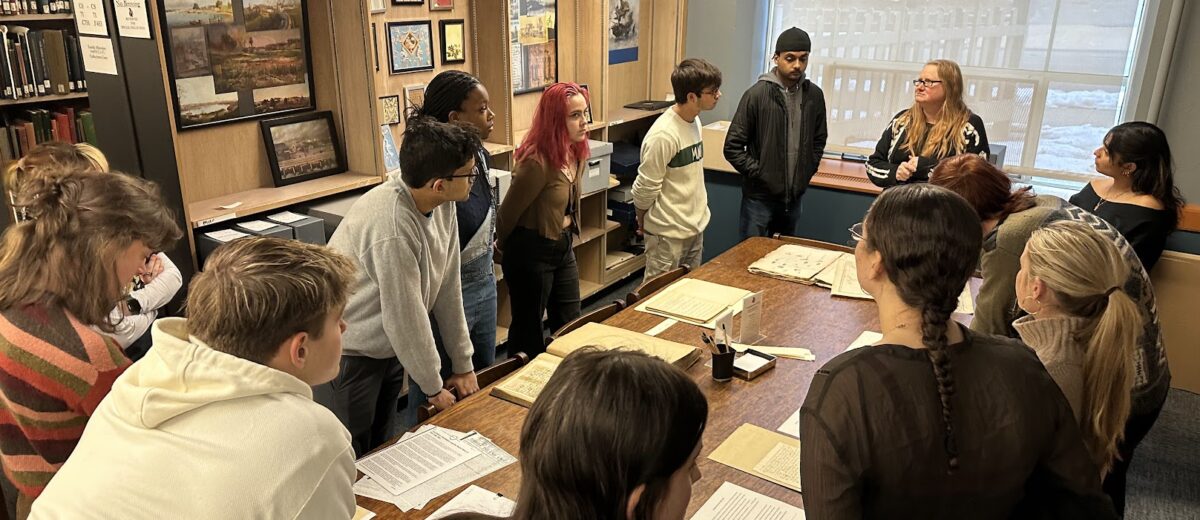
One of the many joys of the Stolen Relations project is that it has provided the opportunity to involve my students here at Brown in content creation for the website. This is something that any humanities professor could do, by the way, so let me share a bit about that process in case this interests you as well. (This post is primarily about crafting assignments in the classroom for content that contributes to the project, but there are many other ways to use the project in the classroom for informational purposes and assignments that do not involve content creation. See the Curriculum page for some ideas.)
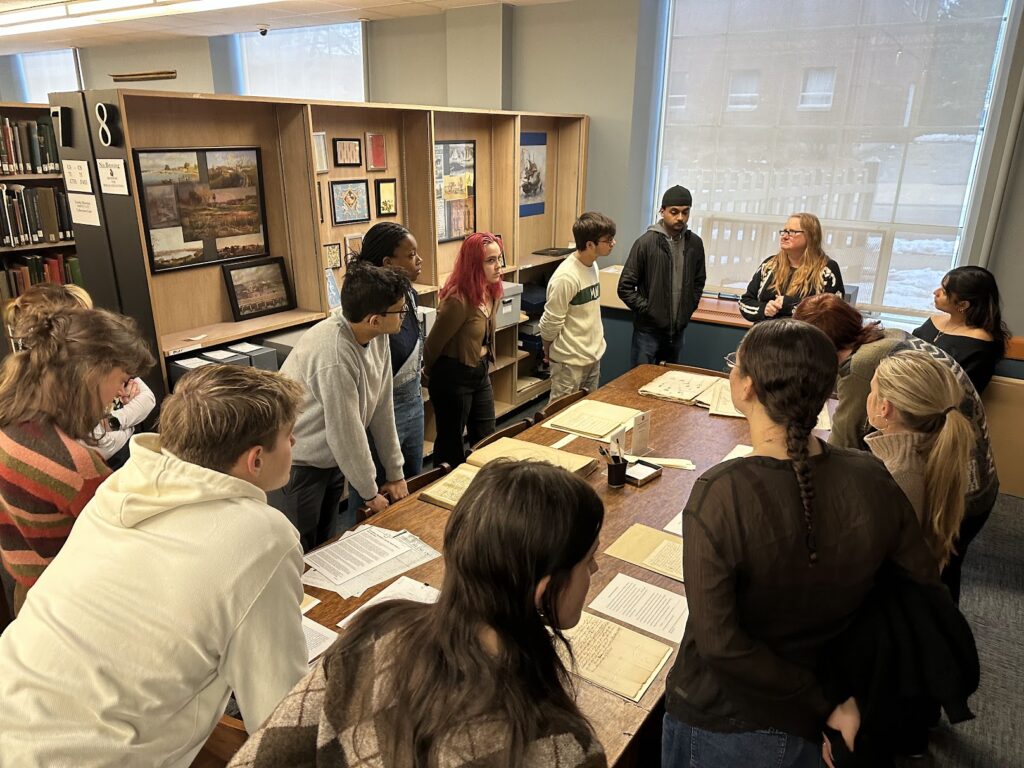
As we mention briefly on the Educate page of this site, there are three main ways that I have built in Stolen Relations related assignments into the classroom: 1) writing stories; 2) researching and adding new information to the database; 3) writing a focused essay on a particular historical issue or problem.
Writing Stories
For this assignment, students are asked to find an entry in the database (through the Explore page) that interests them. Perhaps they are curious about a particular area or time period. Usually it works best if the document related to the person they are choosing contains a bit of information — names of people, location, etc., which gives them something to research. Once they confirm that there is not a story already written about their chosen individual, students then research as much as they can about the person, place, time period, and enslaver family in order to reconstruct the context and events as much as possible. The process is challenging but eye opening, and usually results in a story that our team can shape and post on the Stories from the Archives section of the website. Students get credit for their work.
Researching and Adding New Information to the Database
This is the most challenging of the assignments, since it usually involves students searching online or in local repositories for Native individuals who have not yet been entered into the database, and then entering their information. It also requires that they be given training for researching and data entry, and that they be given access to the back end of the database. This is also possible for non-Brown students, although it takes some effort to coordinate. I have used this as an optional final project assignment in several classes. Students report that it requires time and patience but is ultimately rewarding.
An intermediate option is to have students find new individuals and then submit them to our research team for data entry.
Writing a Focused Essay on a Particular Historical Issue or Problem
A somewhat unusual option, this assignment allows students to tackle a particular kind of issue related to the archives or the documents and either do a larger data analysis from the records in the database or write a more conceptual piece for the blog and/or the Essays section of the site. Essays would be vetted by our team before posting, but students get full credit.
In all cases, I am clear with students about these assignments (whether one of several options or a course requirement) at the beginning of class and in the syllabus. But I have found students eager to get involved with an active project that they can meaningfully contribute to. I’ve posted a few sample assignments and syllabi here.
Please feel free to contact us if you would like to explore any of these options for your own class!