Linford D. Fisher
This blog post is long overdue, but I’m excited to announce that in April of this year my long-time book project on Indigenous slavery was published, and one that is closely related to the Stolen Relations project: Linford D. Fisher, Stealing America: The Hidden Story of Indigenous Slavery in U.S. History (Liveright/W. W. Norton, 2026).
I started research for this book in 2011, and founded the Stolen Relations project in 2015 in order to create an online repository for the people and documents I was finding in the archives related to Native enslavement. These two projects have remained distinct, but the book project was greatly influenced by the conversations with tribal members over the years and also the decolonial approaches we adopted.
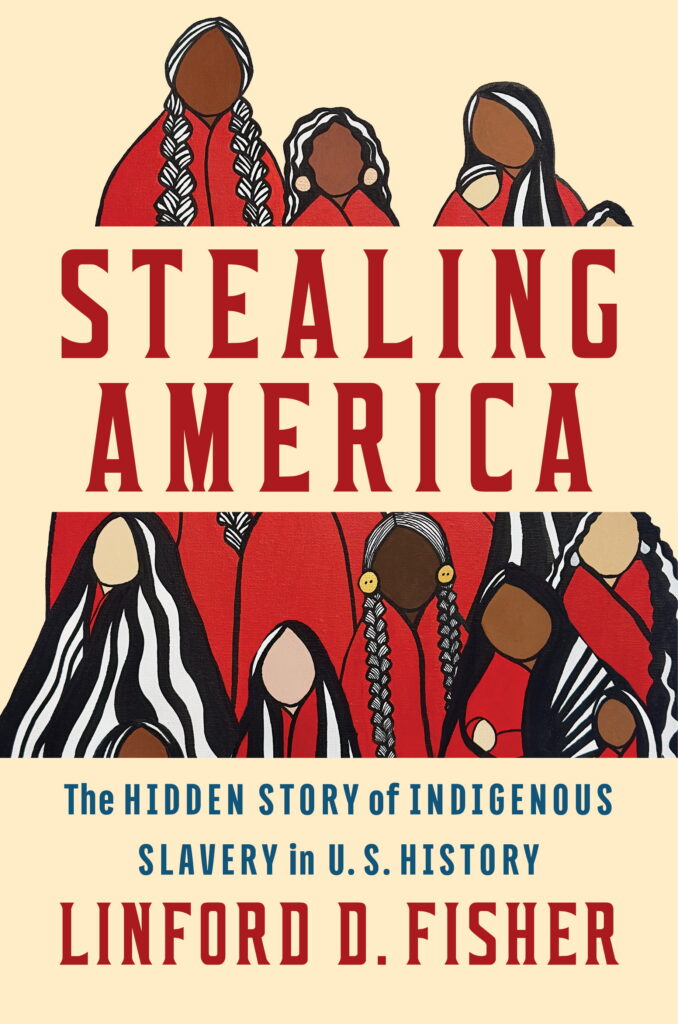 The book tries to understand the various forms of enslavement and unfreedom of Native peoples in English colonial and U.S. history, and how those processes are related to dispossession, not just in the earliest moments of colonization, but as a repeated process through all of American history. The book starts in 1492 and ends in the 20th century, with the Indian Child Welfare Act of 1978, which helped stem the massive placement of Native children into non-Native homes. There is not a time or place in US history where Native nations were not impacted by this dual theft of people and land.
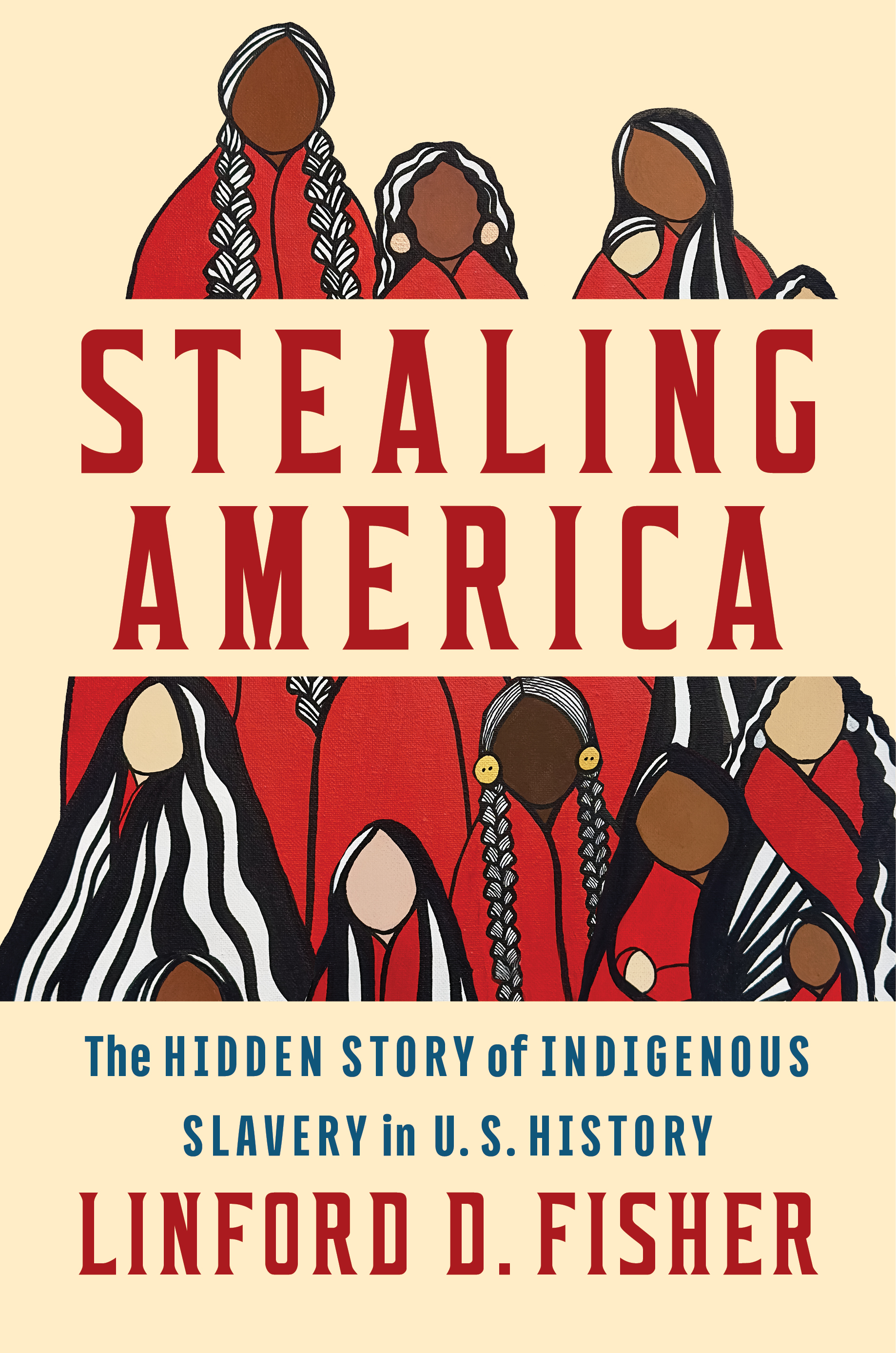
And yet, the book also features the voices and artwork of Natives throughout this history who resisted, fought back, ran away, and used the courts to demand their freedom, sovereignty, and self-determination. Indeed, I hope that readers walk away from both Stolen Relations and this book with the strong understanding that Native peoples are still here today, and they are standing strong, even as the U.S. and we all owe them the courtesy of greater recognition and justice at local, state, and federal levels.
It’s been really meaningful to have the chance to chat with lots of folks through the book tour this year. Mostly what I hear is that people just don’t know much about this history. I hope that, through this book and the Stolen Relations project (along with the excellent work of others), public knowledge of these histories will slowly begin to shift.