Welcome to Unit 1!
Unit’s Essential Questions:
What does it mean to “discover” a land that was already inhabited? How did contact among Native Americans, Europeans, and Africans transform each group?
What values, tensions, and contradictions were present in the Americas from its beginnings?
What role did Native enslavement play in early colonial development, and why has it so often been overlooked in history?
-
Unit 1 of the Stolen Relations Educate Curriculum introduces students to the origins of American slavery by situating Indigenous enslavement within the broader story of the colonial origins of U.S. history. Too often, American history courses begin with simplified narratives of “discovery,” Thanksgiving, and Pilgrim survival, leaving students with an incomplete or romanticized picture of the early colonial world. This unit challenges those assumptions by centering Indigenous experiences and uncovering the overlooked history of Native enslavement. Through discussion, lecture, primary source analysis, and seminar, students explore how European arrival transformed Native communities and how the roots of slavery in the Americas trace not only to the transatlantic slave trade but also to the captivity, forced labor, and displacement of Native peoples.
Read MoreBy integrating discussion, visual analysis, and primary source study, the unit encourages students to recognize that the arrival of European peoples to the Americas was marked by both cultural exchange and profound violence. The essential questions ask students to grapple with foundational issues, such as how the nature of interactions between Native communities and European colonizers changed over time, how enslavement emerged as a colonial practice, and why this history has often been silenced or overlooked.
The unit begins with a discussion of the Origins of Early European Colonization, inviting students to reflect on why history matters and what counts as “history.” Lesson 1 uses an “Onion Layer” approach to discuss assumptions, prior knowledge, and student perspectives, setting the stage for deeper exploration. Lesson 2 examines figures from the First and Second Powhatan Wars, analyzing how Native perspectives on European contact differed across communities and over time. Students are introduced to the biases embedded in colonial records, artworks, and retellings, and they learn to interrogate who is telling a story and whose voice has been altered or erased. Lesson 3 focuses on the story of Squanto, reframing familiar Thanksgiving narratives by situating his experiences within the broader context of European colonization, transatlantic travel, and Native survival. Students analyze how Squanto navigated both opportunity and exploitation, and how his life reveals the complexity of Native-European relations.
Lesson 4 moves students into primary source analysis, asking them to compare early colonial accounts to consider where Native enslavement in the Americas began. Students grapple with the silences and missing voices in historical records, while recognizing evidence of resistance and adaptation among Native peoples. The unit then turns to the Pequot War in Lesson 5, highlighting how colonial interests in land and trade fueled violence, and how the war established patterns of enslavement, displacement, and cultural erasure that shaped future Native-Colonial relations. Throughout the lectures, students are encouraged to consider how definitions of race, power, and labor were constructed in this early context and how these practices laid the groundwork for systems of bondage that persisted for centuries.
Unit 1 concludes with a formative assessment in the form of a Socratic Seminar in which students revisit the essential questions, reflect on how their perspectives have evolved, and articulate why it is important to continue learning about Indigenous histories. This final assessment emphasizes growth in historical thinking, awareness of silenced voices, and commitment to engaging critically with the history of the Americas. The goal of this unit is for students to come away with a more complex understanding of the origins of American slavery. The Stolen Relations Educate team hopes that students will recognize that the beginnings of the United States were shaped not only by ideals of freedom and survival but also by colonization, dispossession, and the enslavement of Native peoples.
Direct Links
-
Unit 1 Overview
Lesson 1: Discussion – Early European Colonization
Why should we study History? What is American History? What is the history of slavery in America? Why does this matter?
Lesson 2: Lecture + Activity – Various Figures of the First and Second Powhatan Wars
Who were the key figures in the First and Second Powhatan Wars? How did Native perspectives on European contact differ between each other and also over time? Why is it important to understand the colonial/Western biases in the primary sources and artworks that are discussed?
Lesson 3: Lecture – the Story of Squanto
How did Squanto’s experiences reflect the broader impact of European colonization on Native peoples? How can the story of Squanto help illuminate the complexity of Native-European relations in the 17th century?
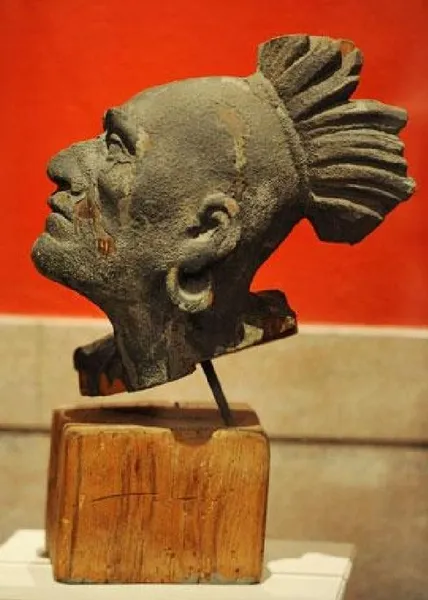
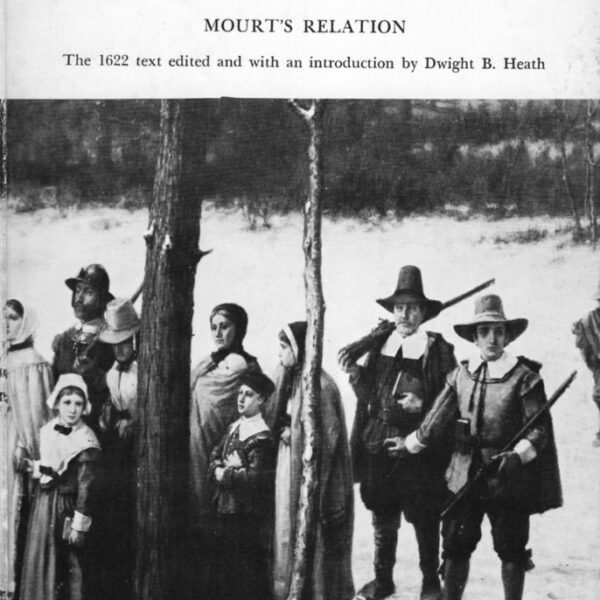
Lesson 4: Primary Source Analysis – Two Different Interactions and Interpretations
Based on the two primary sources, where do you believe Native enslavement in America began? How do these sources suggest Native peoples resisted or adapted to enslavement and colonization? What silences or missing voices in the sources affect how we understand Native enslavement?
Lesson 5: Lecture + Activity – Understanding the Pequot War
What were the underlying causes of the Pequot War? In what ways did the Pequot War establish patterns of enslavement, displacement, and cultural erasure that shaped later colonial-Native relations? What does the fate of Pequot captives reveal about colonial definitions of race and difference?
Lesson 6: Formative Assessment – Socratic Seminar: Rediscuss the Origins of Colonization
In what ways has your knowledge and perspective grown from the start of the Unit to the end? Why is this change important? How will you foster your knowledge of Indigenous history further?
-
Unit 1 Download
-
Education Standards
Common Core
CCSS.ELA-LITERACY.RH.9-10.4
CCSS.ELA-LITERACY.RH.11-12.3
Rhode Island
SSHS.USI.1.1 Indigenous peoples of North America: Analyze the diversity of pre-Columbian Indigenous civilizations in North America
Learning Assessment Objective E: Explain different ways we know and understand the past (e.g., oral traditions from Indigenous descendants, documentation from early explorers, historical records, archaeology), and analyze associated biases
SSHS.USI.1.2 The impact of European colonization on Indigenous life: Argue the ways that European colonization impacted the lifeways and populations of Indigenous peoples
Learning Assessment Objective A: Explain the conditions and roles in the so-called Columbian Exchange, and argue who benefited from that situation (e.g., effects of disease on Indigenous populations, transplantation of plant and animal species)
HP 2: History is a chronicle of human activities, diverse people, and the societies they form.
1.9-12: Students chronicle events and conditions by critiquing historical narratives for historical accuracy or points of view
APUSH
AP US History Unit 1: Interactions North America, 1491–1607
- 1.2: Native American Societies Before European Contact
- 1.3: European Exploration in the Americas
- 1.6: Cultural Interactions Between Europeans, Native Americans, and Africans
Pre – Unit Resources for Educators
-
Activity – Interrogating Common Narratives
This event explores the founding of America through a critical lens, focusing on how the legacy of 1492 shaped systems of colonization and slavery. Participants will examine traditional narratives—like the poem “In 1492”—that celebrate Columbus’s voyage, and contrast them with historical accounts that highlight the experiences of Indigenous peoples. Through discussion and reflection, the event encourages students to question whose voices are heard in mainstream history, how enslavement began in the Americas, and why it’s vital to rethink the origins of the nation within the broader context of colonial violence and resistance.
-
Activity – How do different media portray colonial narratives?
This is a template of an activity that teachers can edit to fit their own lesson plan.
The purpose of the lesson should be to cross compare 3 different media portrayals of the same historical event/figure so that students can understand how the perspective and narratives change according to the purpose of the artist. For reference as to how to incorporate the activity, please refer to Lesson 2 of Unit 1, where the lesson’s activity focuses on dissecting the portrayal of Pocahontas.
-
Readings
Unit 1 Lessons
Lesson 1: Discussion – Early European Colonization
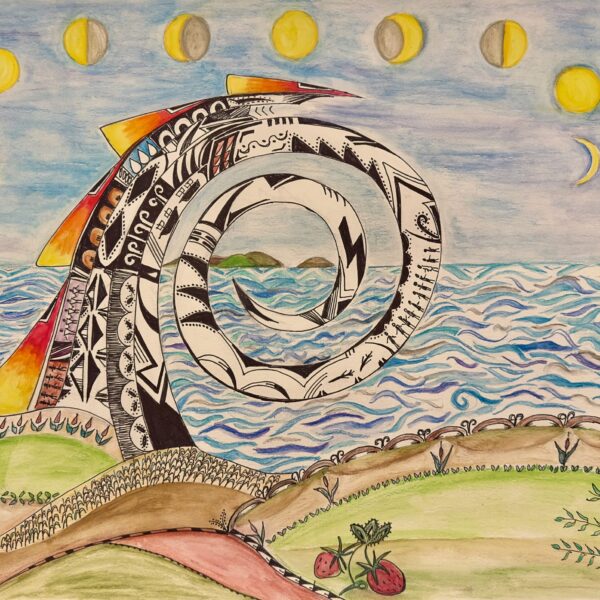
Lesson 1: Discussion – Early European Colonization
Lesson 2: Lecture + Activity – Key Figures of the First and Second Powhatan Wars
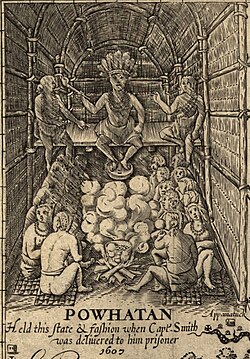
Lesson 2: Lecture + Activity – Key Figures of the First and Second Powhatan Wars
Lesson 4: Primary Source Analysis – Different Interactions + Interpretations
Lesson 4: Primary Source Analysis – Different Interactions + Interpretations
Lesson 6: Formative Assessment – Socratic Seminar: Origins of the Americas