Welcome, educators! Below we have a variety of resources for use in the classroom.
Featured Resources

Sample Primary Sources
Stolen Relations relies on a number of different primary sources for the information in our database.
-
Runaway / Self-Emancipated Slave Advertisements
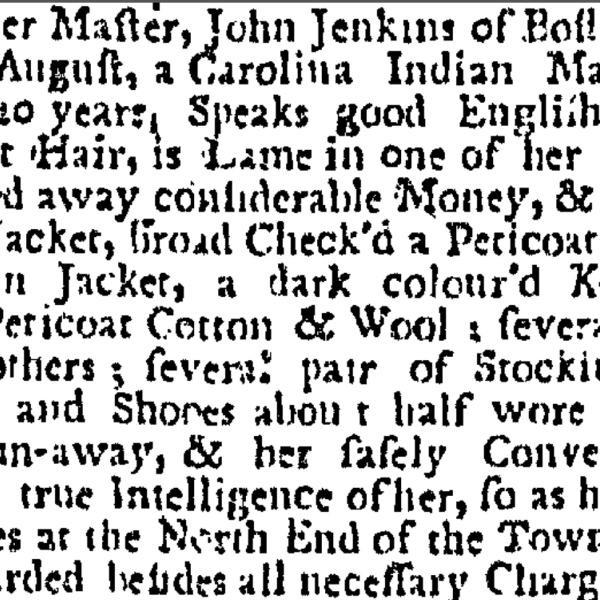
This is perhaps the largest body of primary sources in our database. Although these advertisements are problematic in many ways (since they were written by claimed owners and reflect their biases), they often also contain information that we might otherwise not know. Additionally, they often raise interesting questions about the nature of servitude as well as racial categorizations. Here is an example of a self-emancipated ad, but you can also use the filters in the Explore page to only see these ads. Finally, here is a suggested reading for these advertisements:
DasSarma, Anjali, and Linford D. Fisher. “The Persistence of Indigenous Unfreedom in Early American Newspaper Advertisements, 1704–1804.” Slavery & Abolition, March 30, 2023, 1–25. -
Probate Records
Another key source for this project is probate records, such as estate inventories and wills. These are especially useful because, despite official censuses of individual colonies (which tend to omit enslaved Native Americans), these records are helpful indicators of Indigenous presence on plantations and in households.
-
Freedom Suits and Court Cases
One of the most inspiring set of sources we draw upon are freedom suits, petitions, and court cases where enslaved Indigenous people sue for their freedom. These petitions run the full range of American slavery history, and often reveal important family connections.
-
Indenture and Sale Records
Especially useful, of course, are archival records that record the official documentation of Indigenous people into various forms of servitude. This could include outright sale into slavery or any other number of situations, including indenture and being bound out to a white legal master or mistress for a set number of years.
-
Letters and Correspondence
Another body of sources that allow us to track Indigenous enslavement is letters and correspondence.
Suggested Resources
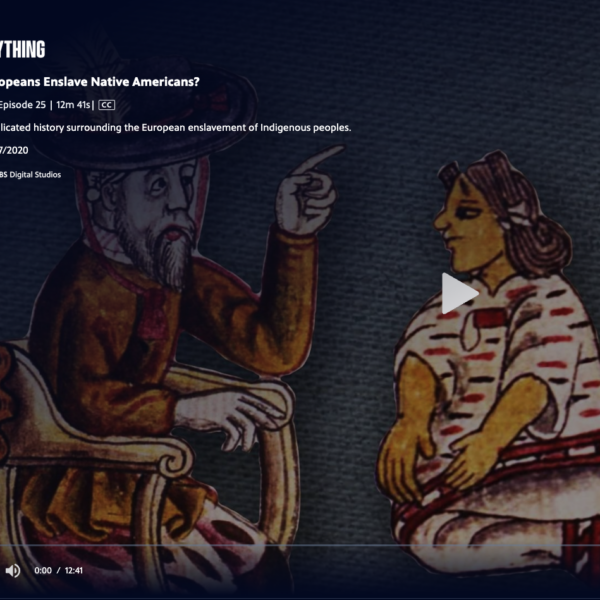
“Native American Slavery in New England” with Margaret Ellen Newell
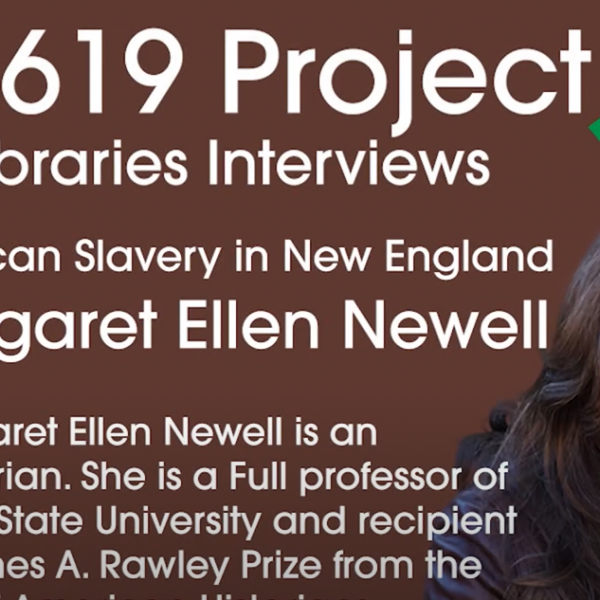
“Native American Slavery in New England” with Margaret Ellen Newell
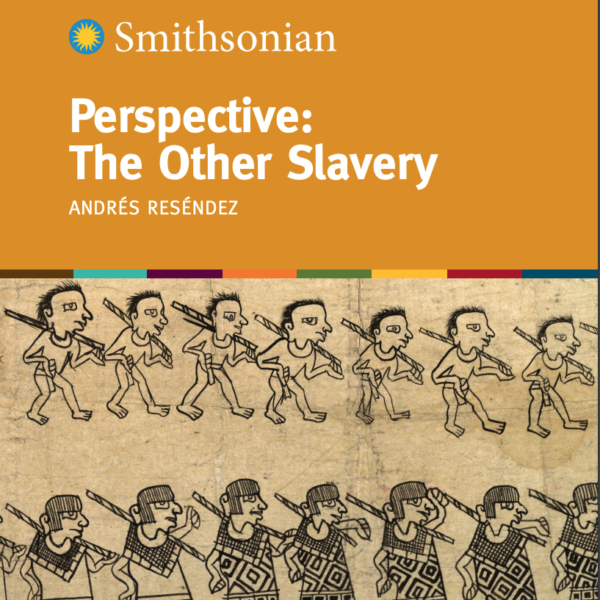
Andrés Reséndez on the history of Native slavery